The Future of Smart Homes: Integrating Technology into Modern Construction


The Evolution of Smart Homes
The concept of smart homes has evolved dramatically over the past decade. What started as a few automated appliances has now transformed into fully integrated systems that enhance convenience, safety, and efficiency. As technology continues to advance, the integration of smart features into modern construction is becoming increasingly prevalent.
From intelligent lighting systems to smart thermostats, the demand for home automation is on the rise. Builders and developers are now focusing on incorporating these technologies into the very fabric of new homes, turning futuristic concepts into reality.
Building with Technology in Mind
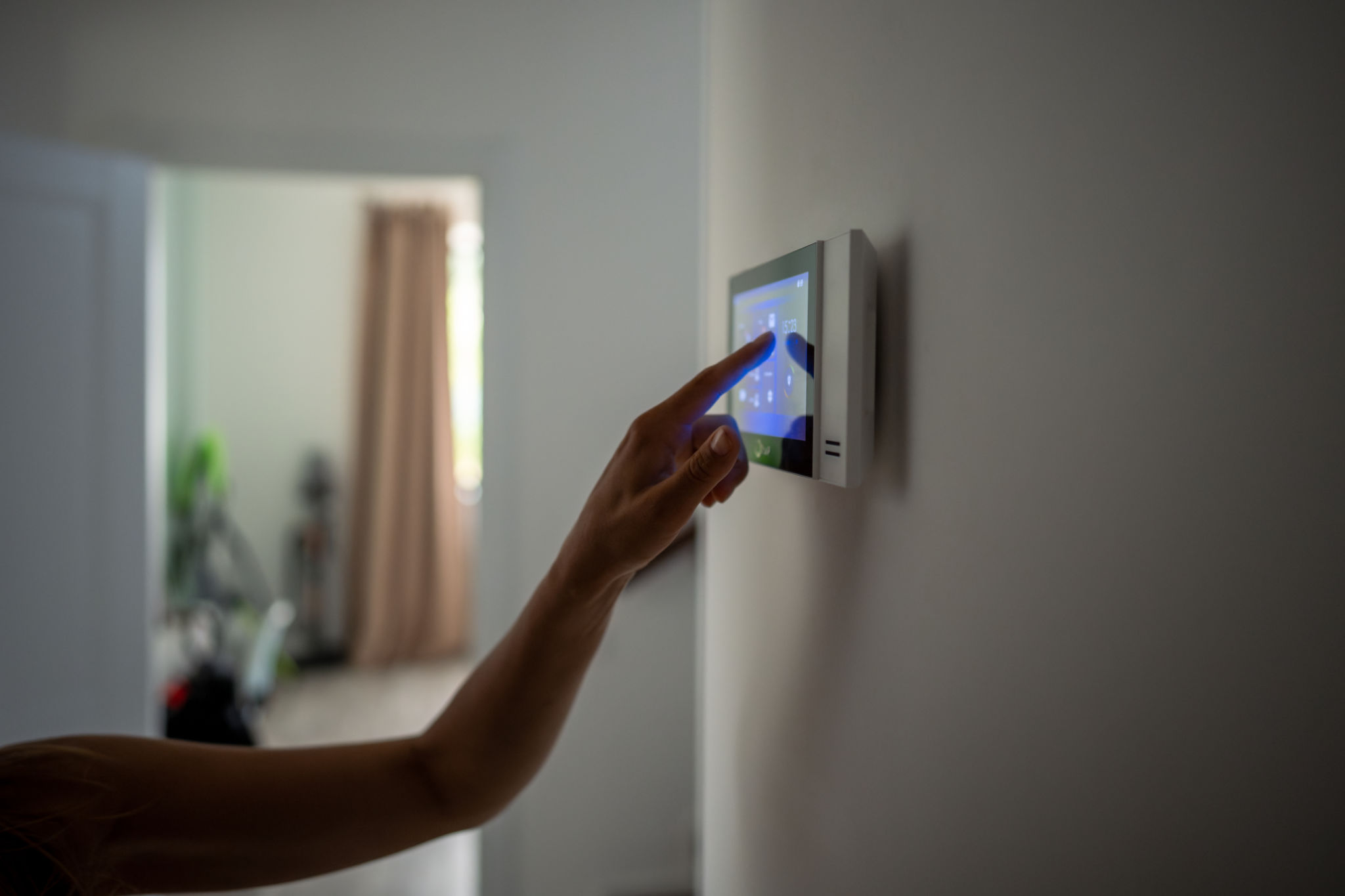
Incorporating smart technology into modern construction requires careful planning and design. Architects and builders are collaborating with tech companies to ensure seamless integration. This collaboration allows for the inclusion of features such as automated climate control, advanced security systems, and energy-efficient appliances.
By designing homes with technology in mind, builders can offer enhanced connectivity and functionality. This approach not only adds value to properties but also aligns with the growing consumer demand for sustainable and smart living solutions.
Key Features of Smart Homes
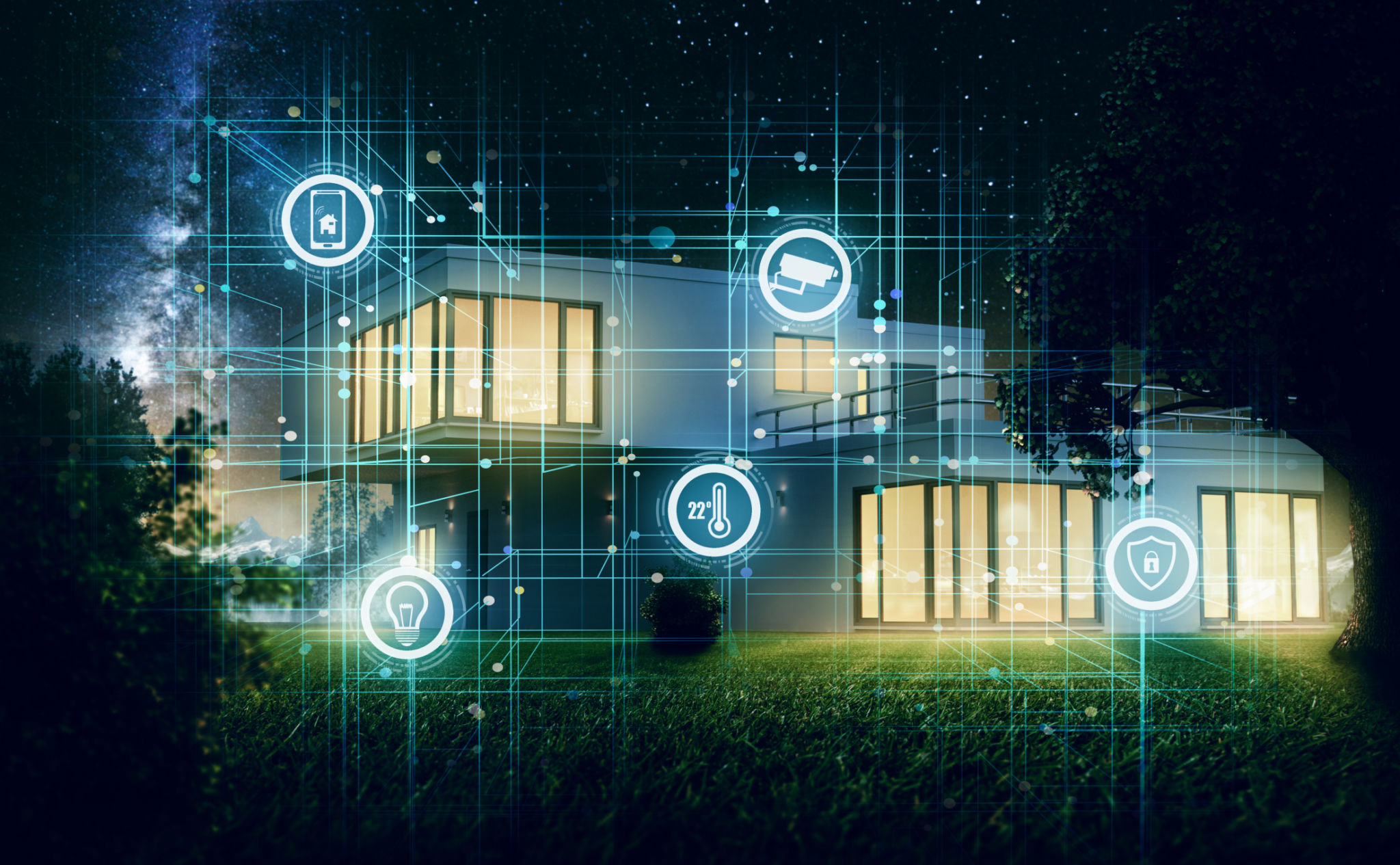
Modern smart homes are equipped with a variety of features that enhance the living experience. Some of the key elements include:
- Smart Lighting: Automated lighting systems that adapt to your schedule and preferences.
- Energy Management: Systems that monitor and optimize energy usage to reduce costs.
- Security Enhancements: Advanced surveillance and alarm systems for increased safety.
- Voice Control: Integration with voice assistants for hands-free operation of home devices.
The Role of IoT in Smart Homes
The Internet of Things (IoT) plays a pivotal role in the functionality of smart homes. By connecting various devices and systems, IoT enables seamless communication and operation. This connectivity allows homeowners to control and monitor their homes remotely, providing unprecedented convenience and peace of mind.
With IoT, the possibilities are endless. From adjusting the thermostat while on vacation to receiving alerts about security breaches, homeowners can manage their properties with ease and confidence.
Challenges and Considerations
While the integration of smart technology into homes offers numerous benefits, it also poses certain challenges. Privacy and security concerns are at the forefront, as connected devices may be vulnerable to hacking. Builders and tech companies must work together to implement robust security measures to protect homeowners.
Additionally, the rapid pace of technological advancement means that systems can quickly become outdated. Providing options for easy upgrades and scalability is essential to ensure long-term satisfaction for homeowners.
The Future Outlook
The future of smart homes is bright, with continuous innovation paving the way for even more sophisticated and personalized experiences. As technology becomes more accessible and affordable, the integration of smart features will become a standard practice in modern construction.
Builders, developers, and tech companies must stay ahead of trends and consumer demands, working collaboratively to create homes that are not only smart but also sustainable and user-friendly. The journey towards fully automated living spaces is just beginning, and the possibilities are truly exciting.