Smart Home Integration Construction Trends: The Future of Homebuilding


The construction industry is experiencing a transformation with the integration of smart home technology. As technology advances, homebuilders are increasingly incorporating smart solutions into their designs, providing homeowners with enhanced convenience, security, and energy efficiency.
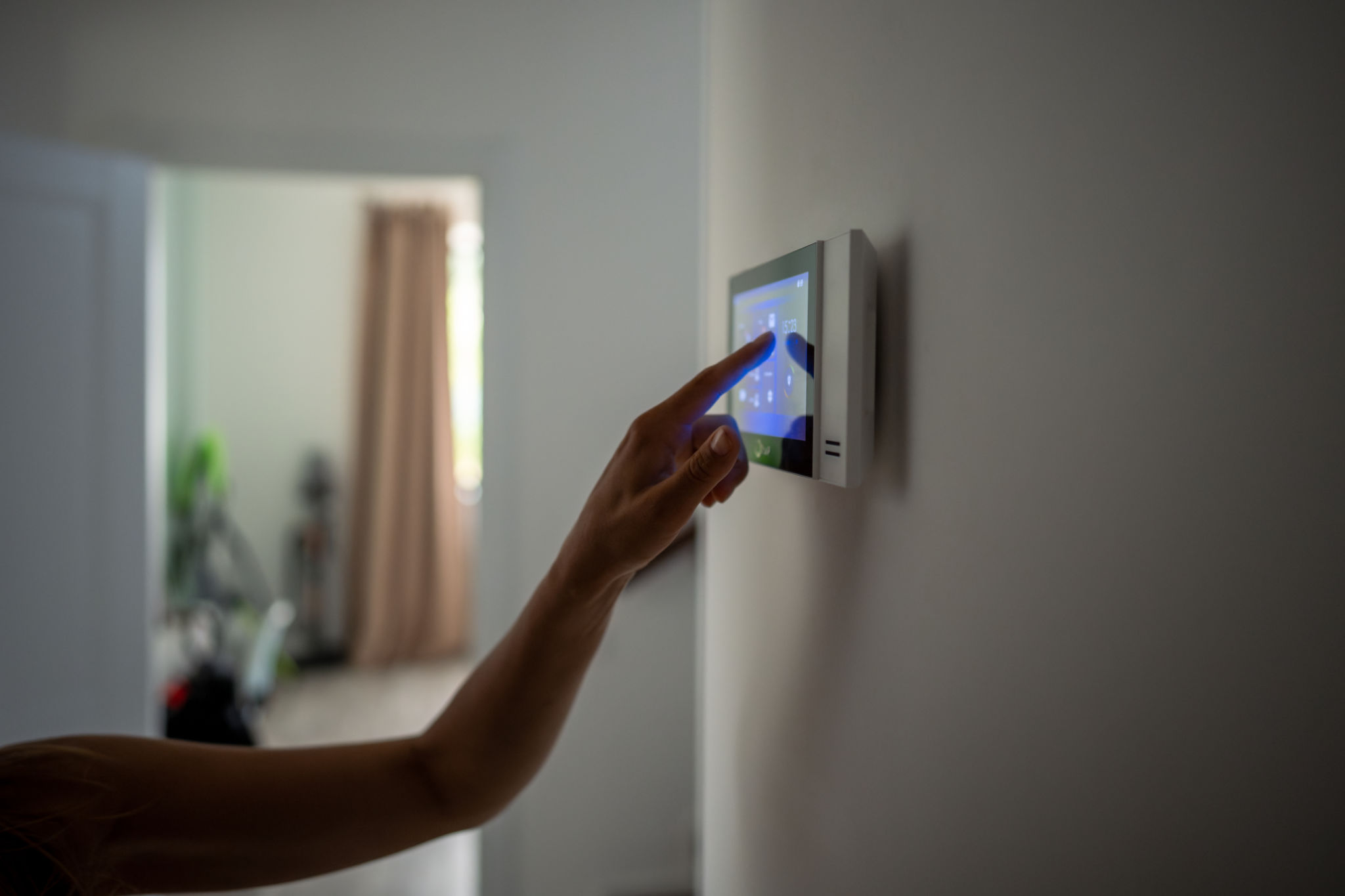
The Rise of Smart Home Integration
The demand for smart homes is on the rise as consumers seek more control over their living environments. Builders are responding by including smart systems in new constructions, making homes more attractive to tech-savvy buyers. These integrated systems offer seamless connectivity, allowing homeowners to manage lighting, security, and climate with ease.
Convenience and Efficiency
Smart home technology offers unparalleled convenience. Imagine controlling your home’s lighting, temperature, and security systems from your smartphone. Builders are incorporating these technologies to create homes that adapt to the lifestyle of the homeowner. This not only enhances the living experience but also promotes energy efficiency, reducing utility costs.

Key Smart Home Technologies
Several key technologies are shaping the future of smart home construction:
- Smart Lighting: Automated lighting systems that can be controlled remotely and programmed to adjust based on time of day or occupancy.
- Advanced Security: Systems that include smart locks, cameras, and motion detectors, providing enhanced safety and peace of mind.
- Climate Control: Smart thermostats that learn patterns and adjust settings for optimal energy use.
Integration Challenges
While the benefits are clear, integrating smart technology into home construction comes with challenges. Builders must ensure compatibility between various systems and provide robust cybersecurity measures to protect homeowner data. This requires collaboration with tech companies and ongoing education to stay current with technological advancements.

Future Trends in Smart Home Construction
The future of homebuilding is likely to see even more sophisticated integrations. As artificial intelligence and machine learning evolve, homes will become increasingly autonomous, learning homeowner preferences and anticipating needs. This will create a truly personalized living experience.
Environmental Impact
Smart homes are not only about convenience; they also contribute to sustainability. By optimizing energy use and reducing waste, smart homes have a lower environmental footprint. This aligns with the growing trend towards green building practices, appealing to environmentally conscious buyers.

In conclusion, smart home integration is no longer a futuristic concept but a current trend that is reshaping the construction industry. As technology continues to advance, the way we build and live in our homes will evolve, offering new opportunities for efficiency, security, and comfort. Homebuilders who embrace these changes will lead the way in creating the homes of tomorrow.